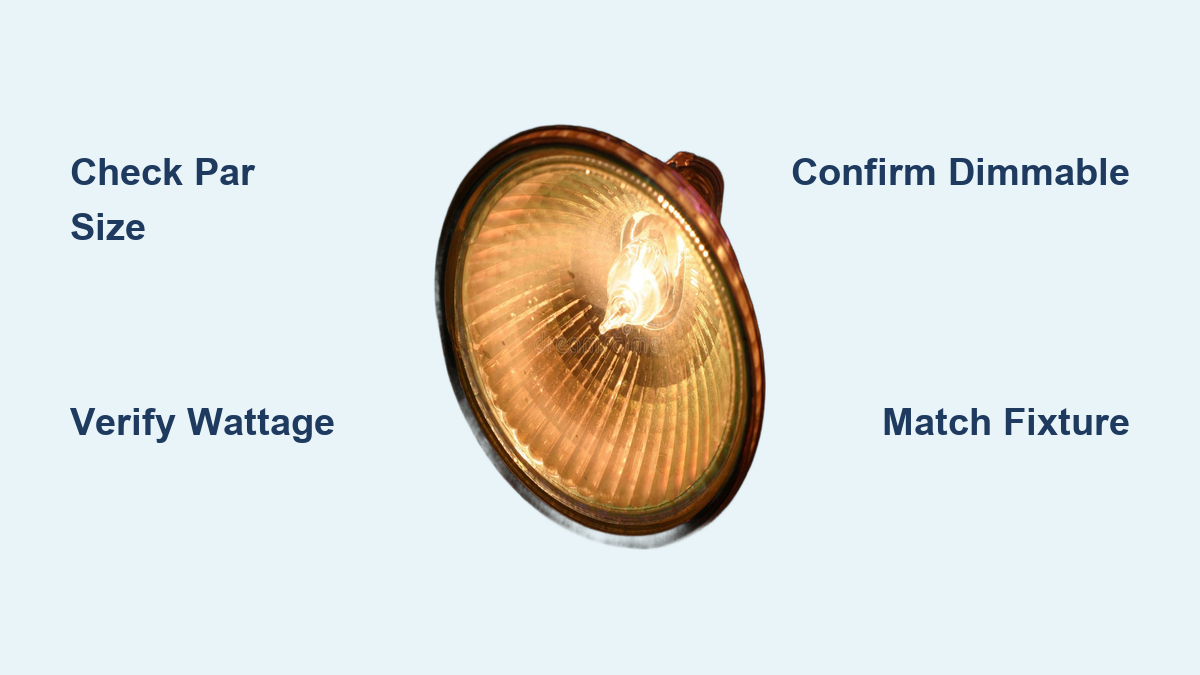

Choosing the right bulb for your recessed cans, range hood, or outdoor floodlight can feel overwhelming when faced with dozens of similar-looking options. The key is understanding halogen flood light bulb types and how their sizes, wattages, and specifications match your specific fixtures. Each PAR designation represents a precise diameter, and that measurement alone determines whether the bulb will physically fit your housing.
This guide walks you through the four most common halogen flood bulb types, their real-world applications, and the technical specs that matter most. You’ll also learn how to troubleshoot common issues and decide when switching to LED makes sense for your setup.
PAR16 Halogen Bulbs: Compact Power for Tight Spaces

What Makes PAR16 Unique?
PAR16 bulbs measure just 2 inches in diameter, making them the smallest option in the standard PAR (Parabolic Aluminized Reflector) family. Their compact footprint allows installation in spaces where larger bulbs simply won’t fit.
PAR16 Specifications at a Glance
- Wattage: 39W
- Voltage: 120V
- Lumens: 350
- Color Temperature: 2800K Warm White
- CRI: 100
- Base Type: E26
- Dimmable: Yes
- Pack Size: Typically 6-pack
The Sinvic 39W PAR16 delivers 350 lumens with perfect color rendering, suitable for both indoor and outdoor fixtures rated for wet locations.
Best Uses for PAR16 Halogens
- Track lighting systems
- Retail display cases
- Under-cabinet accent lighting
- Compact outdoor sconces
Pro Tip: Always verify your recessed trim can accommodate PAR16 dimensions before purchasing. Some shallow housings won’t accept even these small bulbs.
PAR20 Halogen Bulbs: The Kitchen & Recessed Lighting Standard
Why PAR20 Dominates Residential Lighting
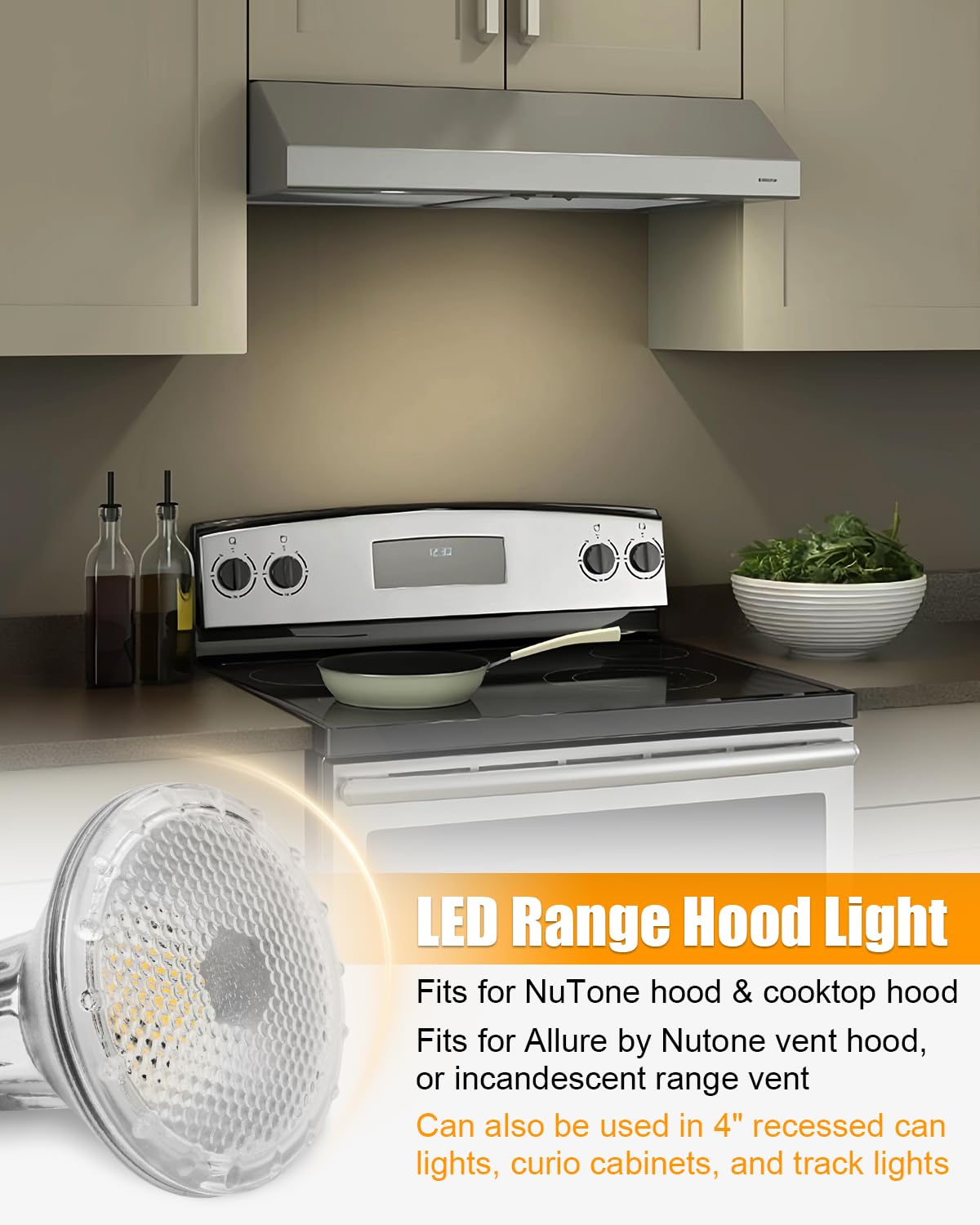
Measuring 2.5 inches in diameter, PAR20 bulbs strike an ideal balance between size and output. They’ve become the default choice for range hoods and 4-inch recessed cans across countless homes.
PAR20 Specs from Leading Models
- Wattage Options: 39W or 50W
- Voltage: 120V
- Lumens: 480 (39W model)
- Color Temperature: 2800K Warm White
- CRI: 100
- Base Type: E26
- Dimmable: Yes
- Pack Size: 6-pack common
The Txmasen 39W PAR20 produces 480 lumens and is specifically marketed for range hood and recessed lighting applications. The 50W version offers higher output for brighter task lighting needs.
Where PAR20 Bulbs Excel
- Kitchen range hoods
- Recessed ceiling lights
- Bathroom vanity fixtures
- Indoor track systems
Common Mistake: Installing a non-dimmable bulb in a dimmer-controlled circuit. Most quality PAR20 halogens are dimmable, but always verify packaging before installation.
PAR30 Halogen Bulbs: Wider Coverage for Larger Rooms
PAR30 vs. PAR20: Key Differences
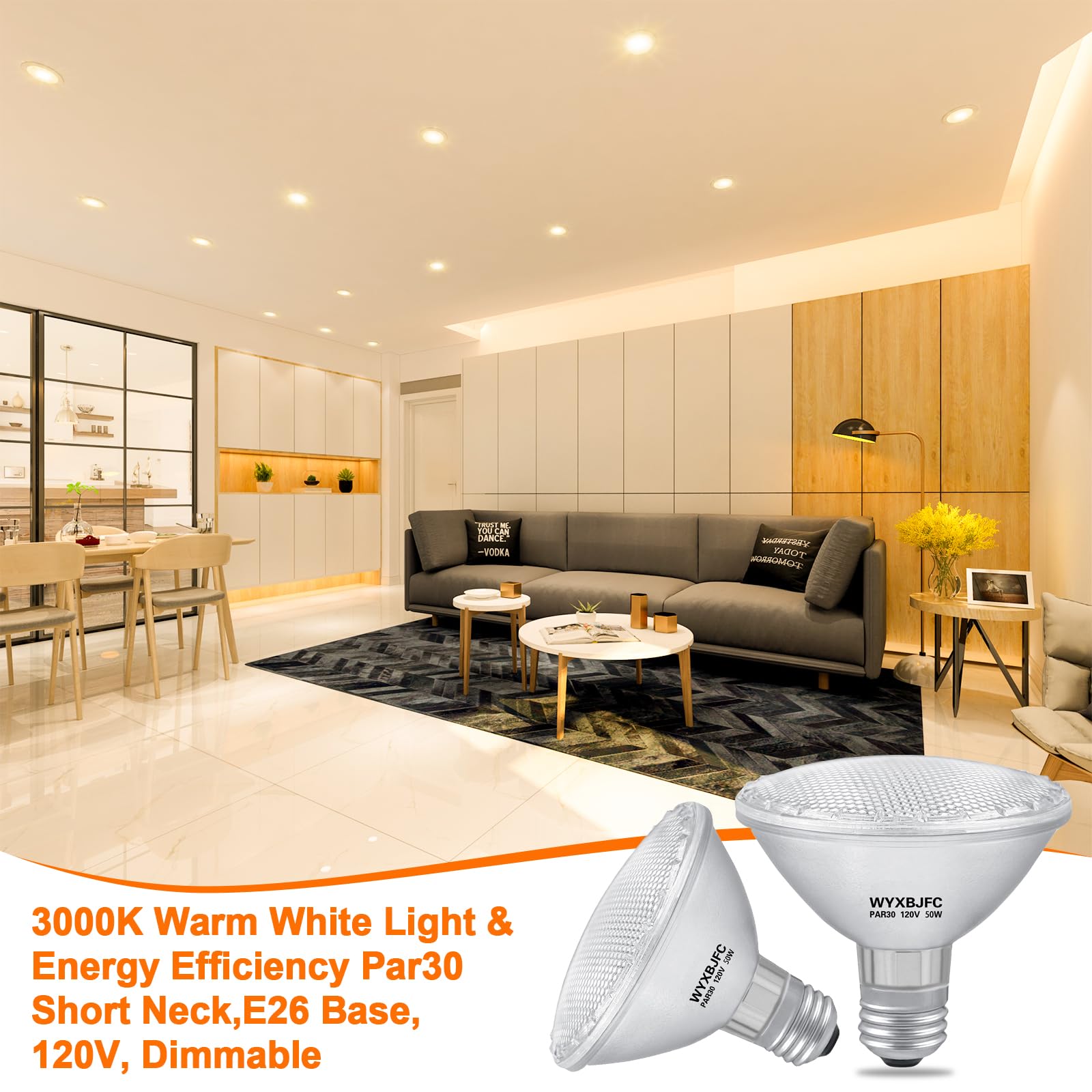
PAR30 bulbs measure 3.75 inches in diameter and deliver noticeably higher lumen output than PAR20s. This makes them better suited for spaces requiring broader, more powerful illumination.
PAR30 Halogen Specifications
- Wattage Options: 50W or 60W (75W equivalent)
- Lumens: 1000 (60W model)
- Color Temperature: 2800K–3000K Warm White
- CRI: 100
- Base Type: E26
- Dimmable: Yes
- Neck Style: Standard or short neck available
The Sinvic 60W PAR30 produces 1000 lumens and works well in both track and recessed configurations. The short-neck variant from the same brand ensures flush mounting in tight ceiling trims.
Ideal Applications for PAR30
- Living room recessed lighting
- Dining room accent fixtures
- Retail and commercial displays
- Garage or workshop task lighting
Pro Tip: Choose short-neck PAR30s when working with shallow recessed housings. Standard-neck versions may protrude and cause unwanted glare.
PAR38 Halogen Bulbs: Heavy-Duty Outdoor Flood Performance

When PAR38 Is the Right Choice
At 4.75 inches in diameter, PAR38 bulbs are the largest standard floodlight format. They’re engineered for outdoor security, landscape lighting, and large-area illumination where maximum output matters.
PAR38 Halogen Features
- Wattage: 60W
- Color Temperature: Warm White (2800K)
- Base Type: E26
- Pack Size: Often sold in 2-packs
- Application: Outdoor flood fixtures
GE offers both a 2-pack outdoor PAR38 flood and a single 60W West Point model, both designed to withstand weather while delivering broad, consistent light spread.
Common PAR38 Applications
- Porch and patio floodlights
- Garage-mounted security fixtures
- Driveway perimeter lighting
- Yard and landscape illumination
Note: PAR38 halogens generate significant heat and consume more energy than LED alternatives. For fixtures running several hours daily, LED replacements often pay back through lower electricity costs.
Understanding Key Halogen Specifications
Wattage vs. Brightness
Wattage measures power consumption, not light output. Here’s how common halogen wattages translate to lumens:
- 39W: 350–480 lumens (PAR16/PAR20)
- 50W: Approximately 800 lumens (PAR20/PAR30)
- 60W: 1000+ lumens (PAR30/PAR38)
Higher wattage produces more light and more heat. Always confirm your fixture is rated for the wattage you’re installing.
Color Temperature: Warm White Explained
Most halogen flood bulbs emit warm white light between 2800K and 3000K. This range closely mimics traditional incandescent lighting and creates an inviting atmosphere ideal for homes, restaurants, and retail environments.
CRI 100: The Color Accuracy Gold Standard
Color Rendering Index measures how accurately a light source reveals true colors. Halogen bulbs typically achieve CRI 100, the highest possible score. This makes them excellent for art galleries, makeup application areas, kitchens, and anywhere color fidelity matters.
Base Types: E26 vs. Screw Terminal
- E26 Medium Screw Base: Standard in U.S. residential fixtures. Used across PAR16, PAR20, PAR30, and PAR38 models.
- Screw Terminal Base: Found on specialty bulbs like the GE PAR36. Requires direct wire connection and isn’t user-replaceable like E26 bulbs.
Caution: Never force an E26 bulb into a terminal base fixture. The connection types are not interchangeable.
Dimmability: What You Should Know
Most Halogens Are Dimmable
Unlike many LED bulbs, virtually all halogen flood lights dim smoothly without flickering or buzzing. Their simple resistive filament design works with standard dimmer switches.
Before installation, verify the packaging lists “dimmable” compatibility. Pair dimmable halogens with a quality dimmer switch for best performance and extended bulb life.
Halogen vs. LED: Making the Right Choice
Where Halogen Still Wins
Halogen flood lights offer unmatched color rendering, instant full brightness, and warm natural light at a low upfront cost. They’re ideal when color accuracy and light quality rank above energy efficiency.
Where LED Makes Sense
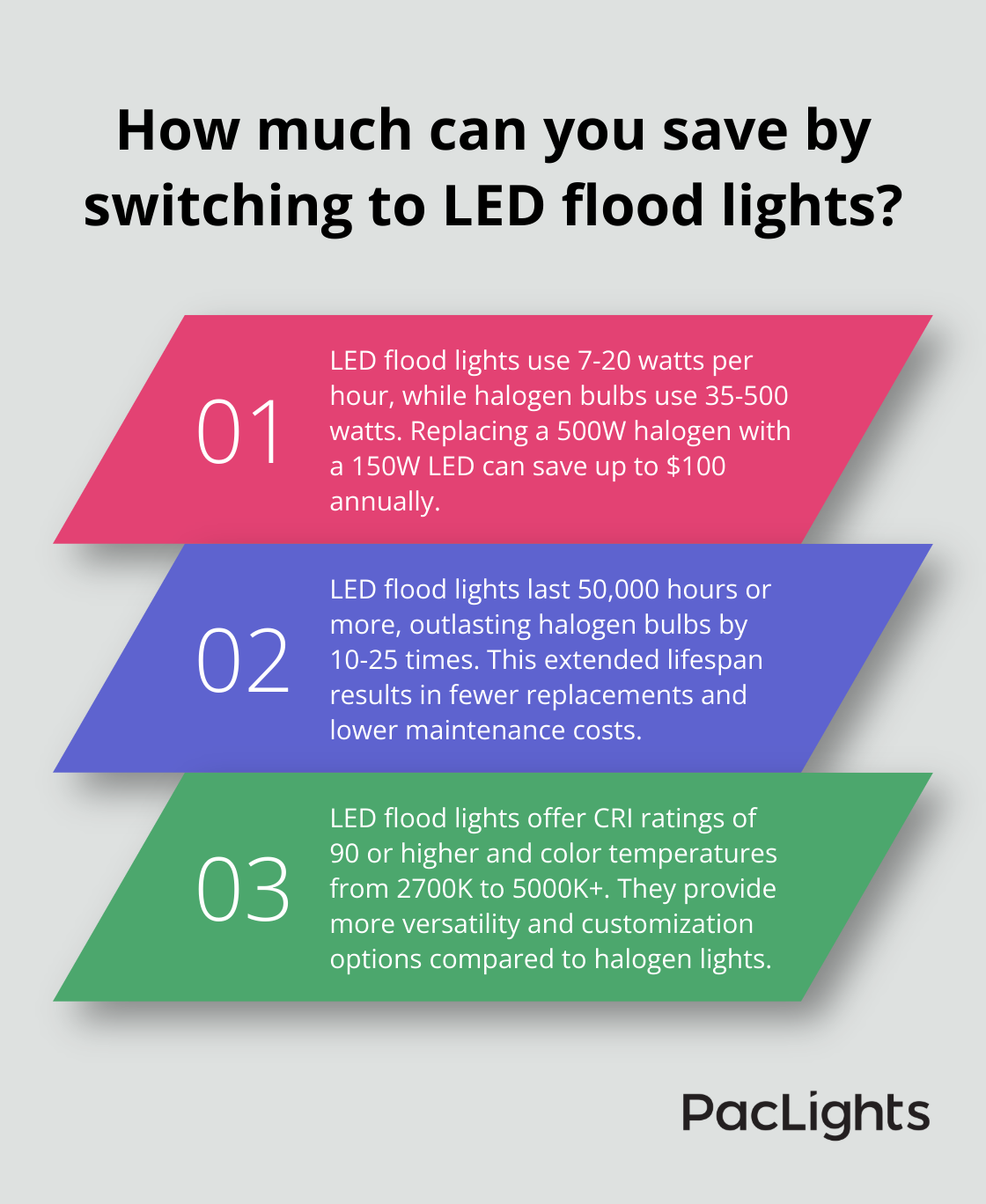
The 50W LED J118 flood bulb delivers 5000 lumens at 3000K while consuming a fraction of the energy. LED alternatives offer longer lifespans (25,000+ hours versus 2,000 for halogen), cooler operation, and suitability for both indoor and outdoor use.
Trade-off: Even premium LEDs rarely achieve true CRI 100. Some exhibit slight color shifts or dimming inconsistencies.
Bottom Line: Choose halogen for critical color tasks and budget-friendly installations. Choose LED for efficiency, longevity, and high-output outdoor floodlights.
How to Choose the Right Halogen Flood Bulb

Match Bulb Size to Fixture
| Bulb Type | Diameter | Best Applications |
|---|---|---|
| PAR16 | 2 inches | Track, display, small recessed |
| PAR20 | 2.5 inches | Range hoods, kitchen cans |
| PAR30 | 3.75 inches | Living rooms, dining areas |
| PAR38 | 4.75 inches | Outdoor flood fixtures |
Select Appropriate Wattage
- Low output (350–500 lm): PAR16 or PAR20 at 39W
- Medium output (~800 lm): PAR20 or PAR30 at 50W
- High output (1000+ lm): PAR30 or PAR38 at 60W
Confirm Color and Dimmability
Choose 2800K–3000K for warm, inviting light. Ensure packaging confirms dimmable compatibility if you’re using a dimmer switch.
Consider Pack Value
6-packs offer the best per-unit value for kitchens and offices with multiple fixtures. 2-packs work well for outdoor or occasional-use applications.
Troubleshooting Common Halogen Issues
Premature Burnout
Overheating in enclosed fixtures, voltage spikes, and frequent on/off cycling all shorten bulb life. Use bulbs only in fixtures rated for their wattage, install surge protection where needed, and avoid rapid switching.
Flickering or Inconsistent Dimming
Loose socket connections, incompatible dimmer switches, or non-dimmable bulbs in dimmer circuits cause flickering. Tighten the bulb, upgrade to a halogen-compatible dimmer, and confirm the dimmable label on packaging.
Bulb Won’t Seat Properly
A neck that’s too long or a diameter that’s too wide prevents proper seating. Switch to a short-neck PAR30 for shallow housings, and double-check your PAR size matches the fixture specifications.
Visual Cue: If the bulb protrudes beyond the trim or doesn’t sit flush, you’ve selected the wrong size.
Frequently Asked Questions About Halogen Flood Light Bulbs
What is the difference between PAR16, PAR20, PAR30, and PAR38?
The numbers indicate diameter in eighths of an inch. PAR16 is 2 inches, PAR20 is 2.5 inches, PAR30 is 3.75 inches, and PAR38 is 4.75 inches. Each size fits different fixture types and produces varying light output levels.
Are all halogen flood bulbs dimmable?
Most halogen flood bulbs are dimmable due to their simple filament design. However, always check packaging for explicit “dimmable” labeling before use with a dimmer switch.
What does CRI 100 mean for halogen bulbs?
CRI 100 represents perfect color rendering accuracy. Halogen bulbs with CRI 100 display colors exactly as they appear under natural light, making them ideal for galleries, kitchens, and retail displays.
Can I use a higher wattage halogen bulb for more brightness?
Only if your fixture is rated for that wattage. Exceeding the fixture’s maximum wattage creates overheating risks and potential fire hazards. Consider a higher-lumen bulb within the rated wattage instead.
When should I replace halogen with LED?
Consider LED replacement for fixtures used several hours daily, outdoor security lights, or any application where energy efficiency and long lifespan outweigh the upfront cost savings of halogen.
Why does my halogen bulb burn out so quickly?
Common causes include enclosed fixtures without proper ventilation, voltage fluctuations, and frequent on/off cycling. Verify fixture ratings, install surge protection, and avoid rapid switching to extend bulb life.
Final Thoughts on Selecting Halogen Flood Light Bulbs
Understanding halogen flood light bulb types comes down to matching three factors: physical size, wattage requirements, and intended application. PAR16 works best for compact accent lighting. PAR20 handles most residential recessed and range hood needs. PAR30 covers larger rooms requiring broader coverage. PAR38 delivers the heavy-duty output outdoor floodlighting demands.
Prioritize CRI 100 for any space where color accuracy matters. Verify dimmability before installation if you use dimmer switches. And consider LED alternatives for high-usage fixtures where long-term energy savings outweigh halogens’ lower upfront cost.
Your next step: measure your existing fixture’s diameter and check its maximum wattage rating. Then use the comparison table above to identify the correct PAR size for your replacement bulb.