

A door security bar can be the difference between feeling safe and feeling exposed, whether you’re at home, staying in a hotel, or renting a short-term space. Knowing how to use a door security bar properly gives you an added layer of protection that requires no tools, drilling, or permanent changes. These portable devices brace between the floor and doorknob to stop a door from being forced open, and they work on most inward-opening doors in just seconds.
In this guide, you’ll learn how to choose the right bar, install it correctly, and avoid common mistakes that reduce effectiveness. You’ll also get practical tips for travelers, renters, and homeowners who want reliable daily security. By the end, you’ll have a clear routine for setting up, testing, and maintaining your bar with confidence.
Choose the Right Door Security Bar
Types of Security Bars Available
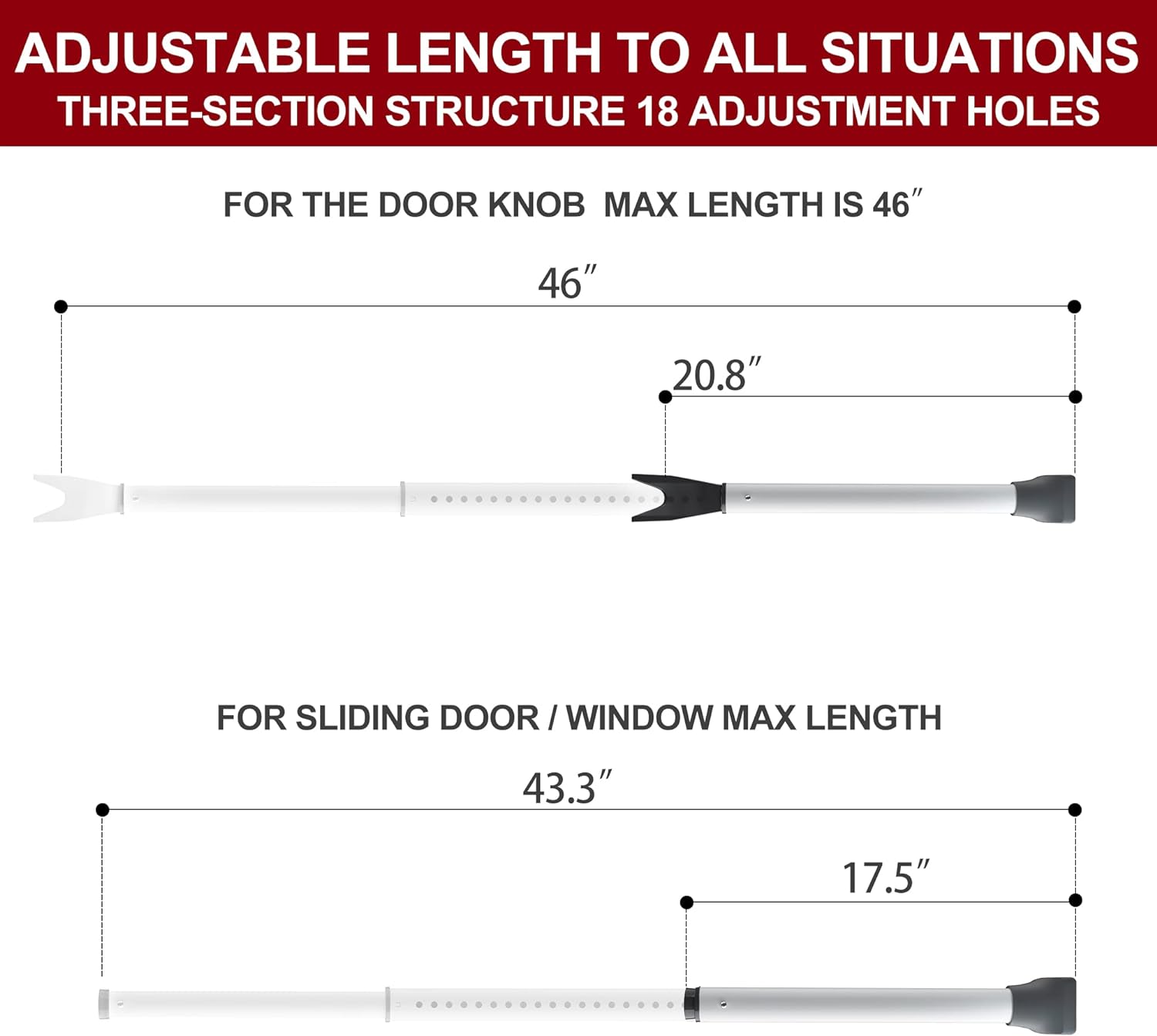
There are three main types of door security bars: T-shaped, adjustable pole, and floor-to-ceiling models. The most common and portable is the adjustable pole bar, which uses spring or twist-lock mechanisms to fit between the door and floor. T-shaped bars fit behind the doorknob and rest on the floor, while floor-to-ceiling models offer broader room security but are bulkier.
Look for models made from reinforced steel or aircraft-grade aluminum for durability. Avoid flimsy plastic or weak locking mechanisms, as they can fail under pressure.
Key Features to Check
When selecting a bar, verify it has non-slip rubber tips on both ends to prevent sliding. The adjustment mechanism should lock securely, and twist-to-tighten models tend to hold better than spring-loaded ones. Some advanced versions include alarm triggers that sound if the door is forced.
Ensure the bar fits your door’s height and angle. Most standard models work on doors between 6.5 and 7.5 feet tall. Always test the fit before relying on it in an emergency.
Prepare the Door and Room
Confirm Door Compatibility
Door security bars only work effectively on inward-opening doors. If your door opens outward or slides sideways, a standard bar won’t function. Also, check that the doorknob or handle doesn’t interfere with the top pad of the bar. Some bars are designed to hook behind the knob, while others press against it.
Avoid using security bars on hollow-core doors, as the frame may give way before the bar fails. Solid wood or metal doors provide the best resistance.
Clear the Setup Area
Before placing the bar, remove rugs, cords, or obstacles from the floor. The base must sit flat and stable. Uneven or slippery surfaces like tile or polished wood can cause the bar to shift. If needed, place a rubber mat under the bottom end for extra grip.
Make sure the door closes fully and latches before installing the bar. A misaligned door reduces leverage and effectiveness.
Install the Security Bar Correctly
Position the Base on the Floor
Place the bottom end of the bar directly in front of the door, aligned with the doorknob. The rubber tip should make full contact with the floor. Stand on one side of the door and press the base firmly into position with your foot if necessary.
Angle matters: the bar should lean slightly toward the door at about 20 to 30 degrees. Too steep or too flat reduces stability and force resistance.
Extend and Lock the Bar
Hold the top end and extend the pole upward until it presses firmly against the doorknob or mounting plate. If your model twists to lock, turn the upper section clockwise until snug. For spring-loaded types, compress and release to engage the lock.
Apply gentle upward pressure to ensure it’s secure. There should be no wobble or play. If the bar shifts, readjust the angle or length.
Test the Installation

Push the door from the outside or simulate force by leaning into it to confirm the bar holds. The door should not open more than an inch. If it does, readjust the angle, relock the mechanism, or shorten the bar slightly for tighter compression.
Never rely on a security bar without testing it first. A poorly installed bar can create a false sense of security.
Maintain Proper Placement Overnight
Recheck Before Sleeping
Even if you set the bar earlier, recheck it before bed. Temperature changes or foot traffic can cause slight shifts. Recompress and retighten if needed.
Place the bar within arm’s reach so you can remove it quickly in case of fire or emergency exit.
Keep a Clear Escape Route
While security is crucial, never block your exit. Ensure you can disassemble or move the bar in seconds. Some models come with quick-release features, so practice using them in the dark.
Avoid using multiple bars or combining with other locks unless professionally installed. Over-securing a door may delay escape during emergencies.
Troubleshoot Common Issues
Bar Slides on Hard Floors
If the bar slips on tile or hardwood, enhance grip with a textured anti-slip pad or double-sided tape under the base. Some users place a small piece of shelf liner for added friction.
Ensure the rubber feet are clean and free of dust. Replace worn tips immediately.
Door Doesn’t Stay Closed
If the door latch doesn’t fully engage, the bar may push it slightly open during installation. Close the door completely before placing the bar. Use a door stop or wedge to maintain alignment if needed.
For doors with weak latches, consider upgrading the strike plate or using a secondary lock.
Misalignment with Doorknob
Some knobs prevent the top pad from sitting flush. In this case, choose a bar designed for angled or offset contact. Alternatively, position the bar so it presses against the latch plate rather than the knob itself.
Avoid forcing the bar into place, as this can damage the mechanism or door hardware.
Maximize Safety with Smart Habits

Use in Hotels and Rentals
A door security bar is ideal for travelers. It adds a layer of protection in unfamiliar environments where locks may be outdated or poorly maintained. Choose a compact, lightweight model that fits in a suitcase.
Always inspect the room door first. Check hinges, frame, and lock quality before relying on a bar.
Combine with Other Security Measures
A security bar is most effective when used alongside other precautions. Keep doors locked, use deadbolts, and install peepholes or door cameras. Never open the door without verifying who is outside.
For sliding doors or windows, use additional locks or alarms.
Practice Emergency Removal
Time yourself removing the bar in low light. You should be able to clear it in under 10 seconds. Store it in the same spot every night so you can find it by touch.
Teach all occupants, especially children and guests, how to remove it safely.
Replace or Upgrade When Needed
Signs Your Bar Is Failing
Inspect your bar monthly for signs of wear. Look for bent tubing, cracked rubber tips, loose locking mechanisms, or corrosion. If the bar no longer extends smoothly or locks securely, replace it immediately.
A compromised bar offers little to no protection.
When to Upgrade Your Model
If you find your current bar difficult to install, unstable, or too bulky, consider upgrading. Newer models are lighter, more compact, and include features like built-in alarms or smart sensors.
Invest in quality, because your safety depends on it.
Frequently Asked Questions About Door Security Bars
Do door security bars work on all doors?
No, door security bars only work on inward-opening doors with solid frames. They are not effective on outward-opening, sliding, or hollow-core doors.
Can a security bar be forced open?
A properly installed bar resists significant force, but no device is completely invulnerable. The goal is to delay entry long enough to deter intruders or alert others.
Are door security bars good for travel?
Yes, they are excellent for hotels and rentals. Choose a lightweight, compact model that fits in luggage and test it on the room door each night.
How long does it take to install a bar?
Most bars take under 30 seconds to set up once you’ve done it a few times. Practicing in advance helps you install quickly in real situations.
Do I need tools to use a security bar?
No tools are needed. The bars use spring or twist-lock mechanisms and require only hand pressure to install or remove.
Can I use a security bar with a deadbolt?
Yes, using a bar alongside a deadbolt adds extra protection. Just make sure the bar doesn’t interfere with the deadbolt’s operation.
Key Takeaways for Using a Door Security Bar Effectively
A door security bar is one of the simplest and most effective tools for personal safety, but only when used correctly. Choose a sturdy model with rubber grips and a reliable locking mechanism. Always confirm your door opens inward and is made of solid material before relying on the bar.
Set it up at the correct angle, test it every time, and keep it within easy reach for emergencies. Combine it with other smart habits like locking deadbolts and verifying visitors. With consistent practice, knowing how to use a door security bar becomes a quick, automatic routine that protects you every night.