

Nearly 41% of home burglaries are opportunistic, and first-floor windows rank among the top entry points after doors. If you want real protection without the prison-like look of metal bars, you have plenty of effective options. Modern window security combines invisible glass reinforcement, upgraded hardware, smart sensors, and smart landscape design to keep intruders out while preserving natural light and curb appeal. This guide walks you through proven, layered techniques for securing windows without bars, so your home stays safe, stylish, and fully functional.
Reinforce the Glass Pane

Strengthening the glass is your first and most powerful defense. Most intruders use a quick “smash-and-grab” method to bypass locks entirely. Reinforced glass stops this approach cold.
Apply Security Window Film
Security film is a transparent polyester layer bonded directly to your existing glass. It won’t stop breakage, but it holds shattered pieces together like a net, forcing intruders to deliver repeated, noisy blows.
- How it works: Holds glass fragments in place, preventing an entry-sized hole from forming.
- Thickness guide:
- 4–7 mil: Good for minor impacts and accidental breakage.
- 8–14 mil: True security-grade; resists hammers and pry bars.
- Force resistance: Top films withstand up to 400 pounds of pressure.
- Cost: $200–$600 for professional installation across multiple windows.
- Bonus benefits: Blocks 99% of UV rays, reduces heat, and lowers energy bills.
- Critical tip: Film must be anchored to the frame, or the whole pane could be pushed inward.
Upgrade to Laminated or Tempered Glass
If you’re replacing windows, stronger glazing options deliver lasting protection:
- Laminated glass: Two glass layers with a plastic interlayer, similar to car windshields. Shatters but stays intact.
- Tempered glass: Four times stronger than standard glass and breaks into small, dull pieces.
- Insurance perk: Many insurers offer discounts for reinforced glass.
Install Polycarbonate Shields
For maximum strength, polycarbonate shields are nearly unbreakable, roughly 250 times stronger than glass.
- Impact resistance: Flexes under force instead of shattering.
- Best for: High-risk areas, storm-prone regions, or large windows.
- Aesthetic: Clear and low-profile, nothing like bars.
- Deterrent effect: Intruders often give up after realizing they cannot penetrate it.
Upgrade Locking Mechanisms

Factory window latches keep windows closed, not secure. Upgrading the hardware makes forced entry far more difficult.
Install Keyed Locks
Keyed locks require a physical key, stopping intruders from reaching through broken glass to unlock the window.
- Ideal for: Ground-floor or accessible windows.
- Types: Keyed latches, cam locks, or dual-point locking systems.
- Prevents: “Smash-and-reach” break-ins.
Use Multi-Point Locking Systems
These locks secure the window at multiple points, including the top, bottom, and sides.
- Advantage: Distributes force, making prying nearly impossible.
- Best for: Casement, tilt-and-turn, or high-security needs.
Add Pin Locks for Double-Hung Windows
Pin locks slide into pre-drilled holes in the window frame.
- How to use: Lock fully closed, or partially open (4 inches) for ventilation while staying secure.
- Installation: Drill one hole for closed position, second hole for vented lock.
Secure Sliding Windows with Track Locks
Sliding windows are vulnerable to being lifted or jimmied open.
- Track locks: Slide into the track to block movement.
- Track pins: Prevent the window from being lifted out.
- Pro tip: Drill a second hole in the track to allow a small, secure gap for airflow.
Install Security Stays (Window Stops)
These limit how far a window can open, usually to 4–6 inches.
- Function: Even if the latch is bypassed, the window cannot open wide enough for entry.
- Types: Telescopic, keyed, or non-keyed.
- Great for: Children’s rooms or upper floors.
Reinforce Screws and Frames
A strong lock fails if the frame or screws give way.
Replace Standard Screws with Security Screws
Standard Phillips screws come out with common tools.
- Upgrade to: Tri-wing, hex, square drive, or proprietary security screws.
- Where to use: Window frames, hinges, and lock plates.
- Benefit: Deters tampering with basic tools.
Strengthen Weak Frames
Rot, warping, or soft wood makes windows easy to pry out.
- Inspect: Check for damage, especially in older homes.
- Reinforce: Use hardwood inserts or metal brackets to harden the frame.
Add Smart Sensors and Alarms
Electronic detection turns passive windows into active security zones. Monitored systems can reduce window-related burglaries by about 70%.
Install Entry (Contact) Sensors
These detect when a window opens.
- How they work: A magnet on the sash and sensor on the frame. When separated, the alarm triggers.
- Placement: Must be within half an inch when closed.
- Use: Detects lifting, sliding, or prying before the glass breaks.
Use Glass Break Sensors
These act as a backup if the glass shatters.
- Acoustic sensors: Listen for the sound of breaking glass. One sensor can cover multiple windows.
- Shock sensors: Mounted directly on glass or frame to detect impact vibrations.
- Best practice: Use both types for full coverage.
Integrate with Smart Home Systems
Connect sensors to a smart hub for real-time protection.
- Instant alerts: Get phone notifications when a window opens or breaks.
- Automation: Trigger lights, cameras, or sirens on breach.
- Remote monitoring: Check window status from anywhere.
- Trend: Smart sensor adoption has grown over 150% since 2015.
Use Psychological Deterrents
Visible security signs stop burglars before they try.
- Alarm decals: Place stickers from security companies on windows.
- Visible cameras: Position cameras to cover window areas.
- Effect: Many intruders skip homes that appear monitored.
Optimize the Exterior Environment
Security starts outside. Make your home’s surroundings hostile to intruders.
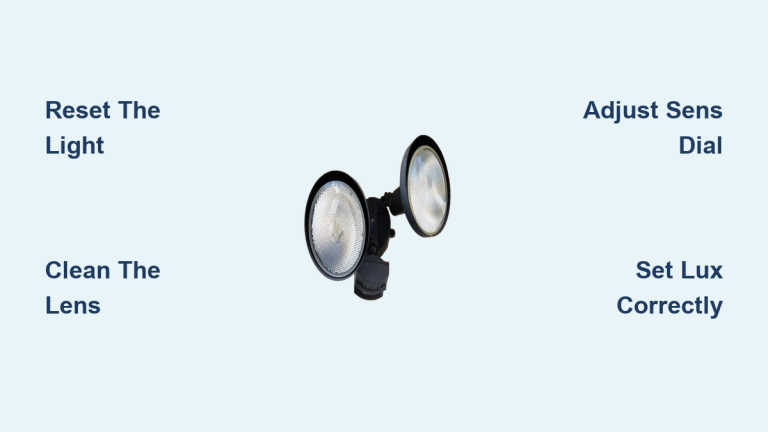
Install Motion-Activated Lighting
Light removes cover and exposes movement.
- Floodlights: Mount at least 10 feet high to prevent tampering.
- Coverage: Aim at all ground-floor windows and entry points.
- Impact: Sudden light startles intruders and alerts neighbors.
Use Perimeter and Interior Lighting
- Landscape lighting: Line walkways and foundations to eliminate shadows.
- Interior lights: Use motion-activated or smart lights to simulate occupancy.
Trim Landscaping Strategically
Overgrown plants hide intruders.
- Trim bushes: Keep below window level.
- Prune trees: Remove branches that provide access to upper windows.
- Defensive planting: Use thorny shrubs like holly or roses under windows.
- Remove clutter: Store ladders, tools, and furniture away from window access.
Install Fencing or Hedges
Add a physical barrier around your property.
- Height: At least 6 feet with a difficult-to-climb design.
- Materials: Wrought iron, bamboo, or dense evergreens.
Install Security Screens and Shutters
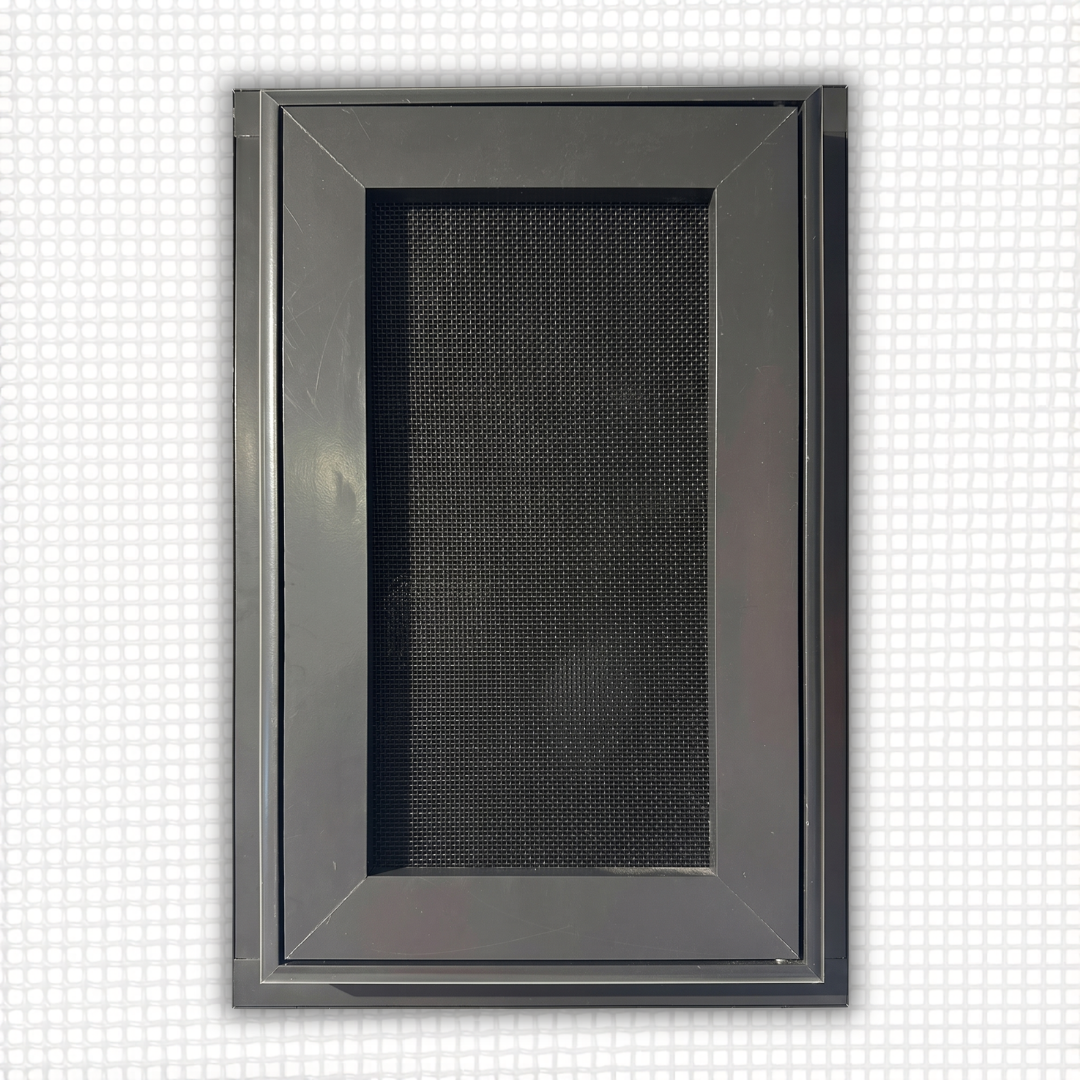
These provide physical protection without the look of bars.
Use Security Screens
Unlike standard screens, these resist forced entry.
- Material: Heavy-duty stainless steel mesh.
- Anchoring: Screw-clamped into the frame so they cannot tear out.
- Benefits: Allows ventilation, visibility, and child or pet safety.
- Strength: Resists cutting and prying.
Install Security Shutters
Shutters block access completely when closed.
- Types: Operable (manual or motorized), fixed, or louvered.
- Materials: Steel, aluminum, or reinforced polycarbonate.
- Aesthetic: Modern designs blend with architecture, with no “prison” look.
- Bonus: Protects against storms and extreme weather.
Secure AC Units and Basement Windows
Special window types need special attention.
Protect Window Air Conditioners
AC units create weak points in the frame.
- Risks: Prevents full closure and may weaken the surrounding frame.
- Solutions:
- Use AC anti-theft brackets or locks.
- Install a security cage or cover.
- Anchor the unit firmly to the frame.
- Remove when not in use, such as during winter.
Secure Basement and Egress Windows
Basement windows are often targeted due to low visibility.
- Challenge: Must allow emergency escape.
- Solutions:
- Use swing-away or removable security bars.
- Apply security film and install sensors.
- Keep window wells clear and covered with escape-friendly grates.
Solutions for Renters and Apartments
Renters cannot always make permanent changes, but many upgrades are renter-friendly.
Use Non-Damaging Security Tools
- Removable security film: Apply and remove without residue.
- Tension-based track locks: Fit into sliding window tracks with no drilling.
- Wedge locks: Simple, temporary locks for double-hung windows.
- Standalone window alarms: Battery-powered, adhesive-mounted sensors.
Get Landlord Approval When Needed
- Ask first: Before installing cameras, hardwired sensors, or permanent locks.
- Highlight benefits: Improved security can lower insurance or attract tenants.
- Note: Most film and sensors are considered temporary and removable.
Compare Security Methods at a Glance
| Method | Primary Function | Cost | Aesthetic Impact | Best For |
|---|---|---|---|---|
| Security Film | Reinforces glass, delays entry | $200–$600 | None (invisible) | All windows, renters, owners |
| Keyed Locks | Prevents opening | $20–$50/window | Low | Ground-floor, sliding windows |
| Smart Sensors | Detection and alert | $50–$100/unit | None | Remote monitoring, real-time alerts |
| Polycarbonate Shields | Impenetrable barrier | High | Low/Moderate | High-risk areas, storm zones |
| Security Screens | Physical barrier + ventilation | Moderate/High | Moderate | Ventilation, child safety |
| Motion Lighting | Deterrence via light | Low | Low | Exterior perimeter, dark zones |
| Laminated Glass | Structural reinforcement | High (replacement) | None | New construction, renovations |
Build a Layered Defense Strategy
The most effective security uses multiple layers. A single method can fail, but layers work together.
Sample Setup for a Ground-Floor Window
- Glass Layer: Apply 8–14 mil security film.
- Hardware Layer: Install a keyed lock and pin lock.
- Detection Layer: Add an entry sensor and glass-break detector.
- Environmental Layer: Install motion lights and trim nearby bushes.
- Psychological Layer: Place alarm decals and a visible camera.
Even if the glass is struck, the film holds it, the lock blocks entry, the sensor triggers the alarm, and the lights expose the intruder.
Maintain Your Security Over Time
Security systems degrade without care. Stay ahead with regular upkeep.
Test Sensors Monthly
- Check batteries and connections.
- Simulate window opening to verify alerts.
Lubricate Locks Annually
- Use silicone spray on tracks, hinges, and locks.
- Prevents stiffness that leads to windows being left unlocked.
Inspect Security Film
- Look for peeling edges, bubbles, or scratches.
- Reapply if damaged, especially after severe weather.
Trim Landscaping Regularly
- Maintain clear sightlines and eliminate cover.
- Prevent overgrowth from blocking lights or cameras.
Tighten Screws and Brackets
- Check security screws, AC mounts, and shutter fasteners.
- Vibration and weather can loosen them over time.
Frequently Asked Questions About Securing Windows Without Bars
What is the best way to secure windows without bars?
The most effective method is layering multiple defenses: apply 8–14 mil security film to the glass, install keyed locks, add entry and glass-break sensors, and use motion lighting outside. This combination delays entry, triggers alerts, and deters intruders.
Does security window film really work?
Yes. Security film holds shattered glass together, preventing an entry-sized hole from forming. Quality 8–14 mil films withstand up to 400 pounds of force and can reduce burglary attempts by up to 60% in some neighborhoods.
Can renters secure windows without damaging them?
Absolutely. Removable security film, tension-based track locks, wedge locks, and adhesive-mounted standalone alarms all provide strong protection without drilling or permanent changes.
How do I secure a sliding window from being lifted out?
Install track locks or track pins that block horizontal movement and prevent the window from being lifted off the track. Drilling a secondary hole allows partial opening for airflow while keeping the window secure.
Are glass break sensors worth it?
Yes. Glass break sensors provide a critical backup if an intruder smashes the glass instead of opening the window. Acoustic sensors cover multiple windows, while shock sensors detect direct vibrations on individual panes.
How often should I test my window security sensors?
Test sensors monthly. Check batteries, verify connections, and simulate window openings to confirm alerts are working properly.
Key Takeaways for Securing Windows Without Bars
Securing windows without bars is not only possible, it often delivers better aesthetics and functionality than traditional grates. The strongest approach combines invisible glass reinforcement (like 8–14 mil security film), upgraded hardware (keyed and multi-point locks), electronic vigilance (entry and glass-break sensors), and strategic outdoor design (motion lighting and trimmed landscaping). The goal is not perfection; it is making your home harder, noisier, and riskier to break into than the next one. Start with security film and a keyed lock on your most vulnerable ground-floor window, then build out your layered defense over time.