

Chipped paint and creeping rust on your security bars are more than cosmetic issues. They signal the early stages of corrosion that can weaken steel and shorten the lifespan of the very feature meant to protect your home. The encouraging part? You don’t need a professional contractor to restore them. With careful prep, the right products, and a steady hand, learning how to paint security bars is a manageable weekend project that delivers years of durable protection.
This guide covers every stage of the process, from stripping heavy rust to choosing coastal-grade primers and applying flawless topcoats. By the end, you’ll know which products work best for your climate, how to avoid common mistakes, and how to keep your bars looking sharp for the next decade.
Strip Rust and Prep Metal for Painting
Prep work is the single biggest factor in how long your paint job will last. Skipping it leads to peeling, bubbling, and rust bleeding through within months, especially in humid or coastal areas.
Remove Loose Rust and Old Paint
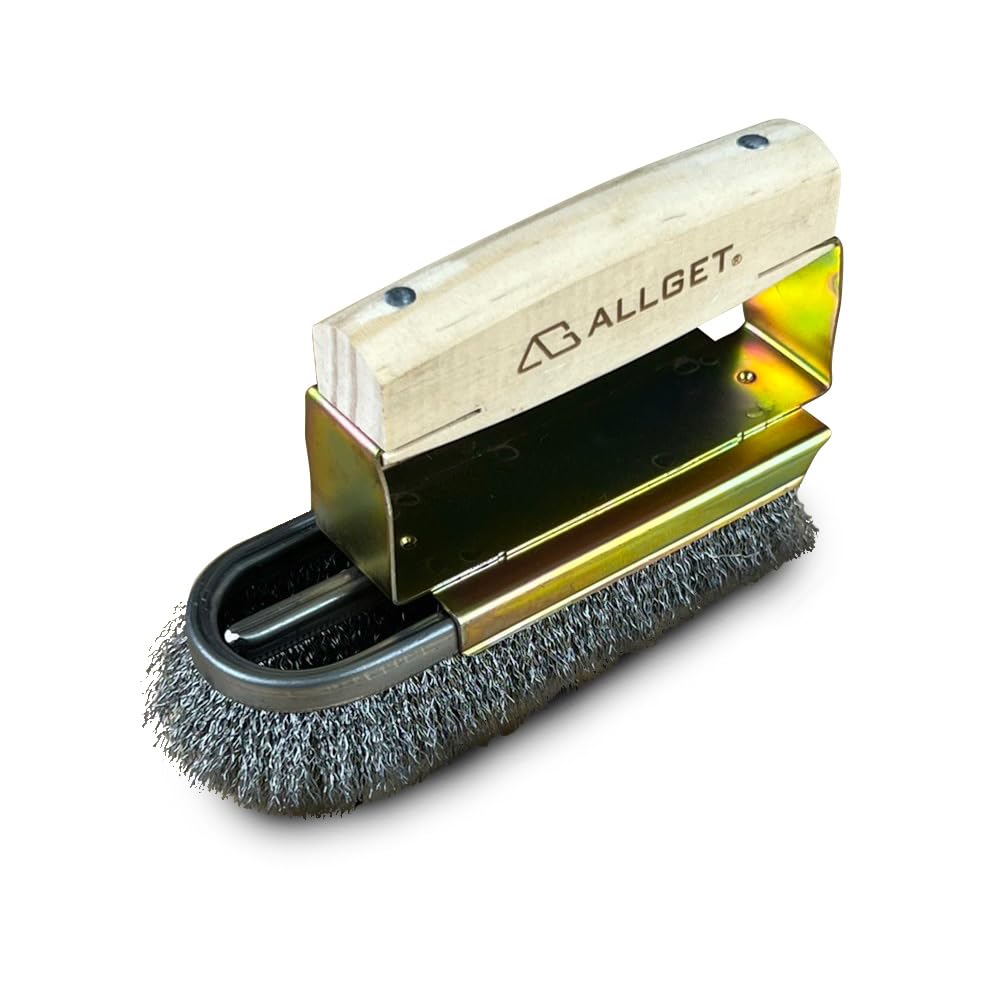
Start by scrubbing the entire surface with a stiff wire brush to knock off flaking paint and surface rust. Pay extra attention to joints, welds, and corners where moisture collects. For scrollwork or tight crevices a brush can’t reach, an old toothbrush works perfectly.
Follow up with light sanding using 80–120 grit sandpaper. You’re not trying to strip the metal bare. You’re smoothing rough patches and giving the primer a textured surface to grip.
Clean Away Grease and Grime
Even invisible oils prevent paint from bonding. Wipe every inch of the bars with a degreaser and a clean cloth, then let them dry completely. Painting over a greasy or dusty surface is one of the fastest ways to guarantee early failure.
Treat Heavy Rust Chemically
When rust has pitted deep into the metal, mechanical scrubbing won’t cut it. Reach for a chemical rust stripper like Rust-Oleum Rust Stripper.
- Apply with an old toothbrush for precision in tight spots
- Wear rubber gloves and eye protection
- Let it sit for 10–15 minutes, then rinse or wipe as directed
- Paint within 24 hours to prevent flash rust from undoing your work
Choose the Right Primer for Security Bars
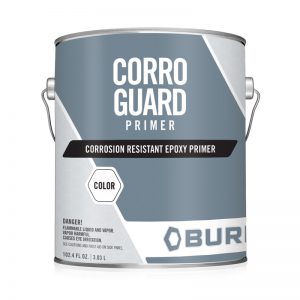
Primer is the unsung hero of any metal paint job. It seals the surface, blocks rust recurrence, and locks the topcoat in place.
Use a Rust-Inhibiting Metal Primer
Pick a primer specifically formulated for steel or iron with rust-inhibiting properties. Look for labels reading “anti-corrosive” or “for exterior metal.” Apply with a brush or spray, covering every surface including back edges and joints. Let it dry fully (typically 4–6 hours) before moving on.
Upgrade to Epoxy Primer for Coastal Climates
Living near the ocean or in a high-humidity zone? Standard primer won’t hold up. Switch to an epoxy-based primer that forms a moisture-blocking barrier against salt corrosion. The upfront cost is higher, but epoxy primers can double or triple the life of your finish in tough environments.
Pick the Best Topcoat for Steel Bars
Your topcoat takes the brunt of sun, rain, and physical contact. Cheap interior paint will fail outdoors within a season.
Choose High-Performance Paints for Maximum Durability
For the longest-lasting results, consider these professional-grade finishes:
- Epoxy paint: Resists moisture, chemicals, and abrasion. Ideal for coastal zones.
- Polyurethane paint: Tough, glossy, and UV-stable. Great for color retention.
- Powder coating: The gold standard. Lasts up to five times longer than liquid paint and won’t rub off on hands. Requires off-site professional application.
Use Reliable DIY-Friendly Paints
For most homeowners, these options strike a solid balance between cost and performance:
- Oil-based enamel: Dries to a hard, weather-resistant shell
- Acrylic enamel (metal-grade): Affordable, fast-drying, and easy to apply
- Galvanized metal paint: Only for galvanized steel, since standard paint peels without proper bonding
Try Specialized Spray Paints for Convenience
Spray cans deliver even coverage on complex designs and hard-to-reach spots:
- Rust-Oleum Universal Hammered: Sprays at any angle, resists rust and fading
- Tremclad: Adheres well to slightly rusty metal and dries fast
- Budget metal spray: Available at discount stores, just confirm it’s rated for exterior metal use
Apply Paint with Precision and the Right Technique
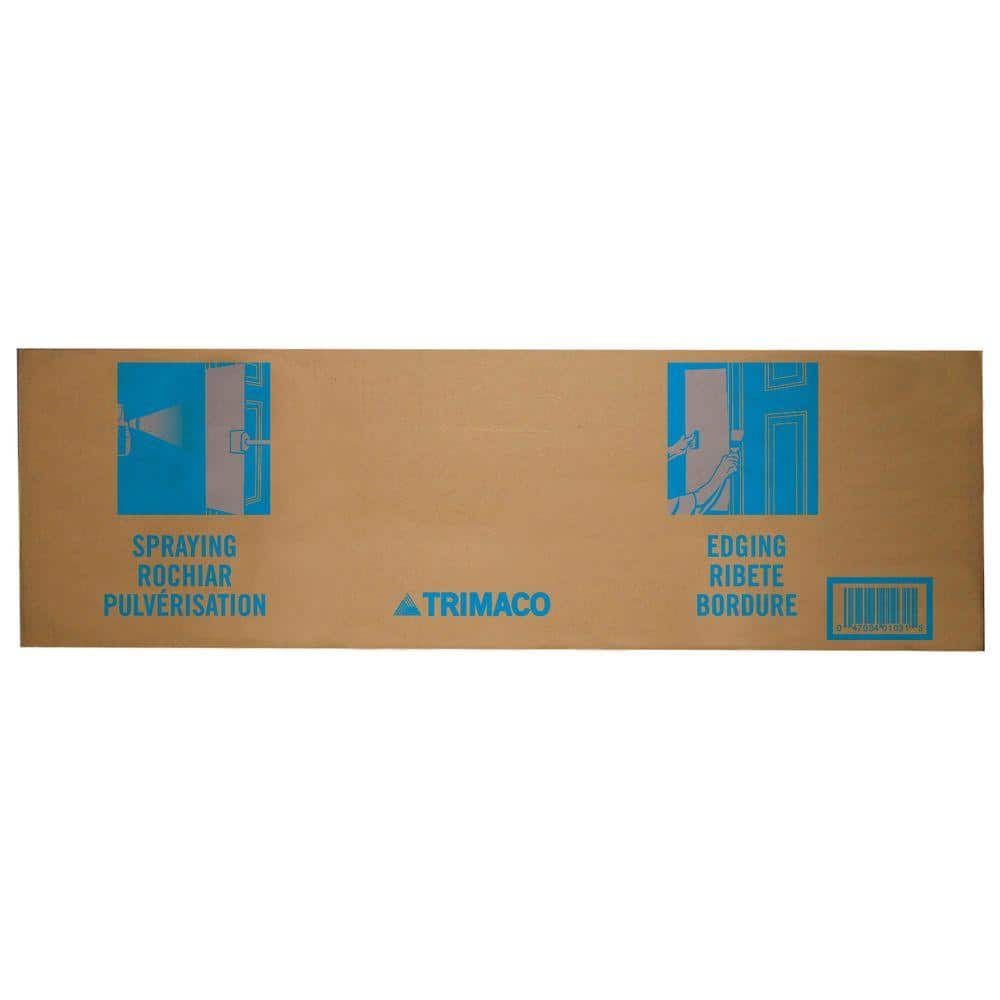
Even the best paint fails if applied poorly. Your goal is full coverage without drips, runs, or missed corners.
Spray for Full, Even Coverage
Spray painting is ideal for security bars because it handles intricate shapes without leaving brush marks.
- Work in a wind-free, sheltered area
- Shake cans for at least one minute before use
- Hold the can 8–12 inches from the surface
- Apply light, even coats rather than one heavy pass
- Let each coat dry 15–30 minutes before adding the next
Pro Tip: Have an assistant hold a cardboard shield behind the bars to catch overspray. Move it section by section as you work.
Brush for Intricate Detail Work
Use a high-quality metal brush for scrollwork, corners, or touch-ups.
- Brush in smooth, overlapping strokes
- Thin oil-based paint slightly with mineral spirits if needed
- Wipe excess paint off the brush to prevent drips in tight joints
Follow the Correct Application Sequence
Stick to this order for the best results:
- Clean and dry the metal thoroughly
- Remove rust (mechanical and chemical methods as needed)
- Apply metal primer with full coverage
- Let primer dry completely
- Apply the first thin topcoat
- Wait the recommended drying time
- Add a second (and third, if needed) coat
Protect Bars in Coastal and Harsh Environments
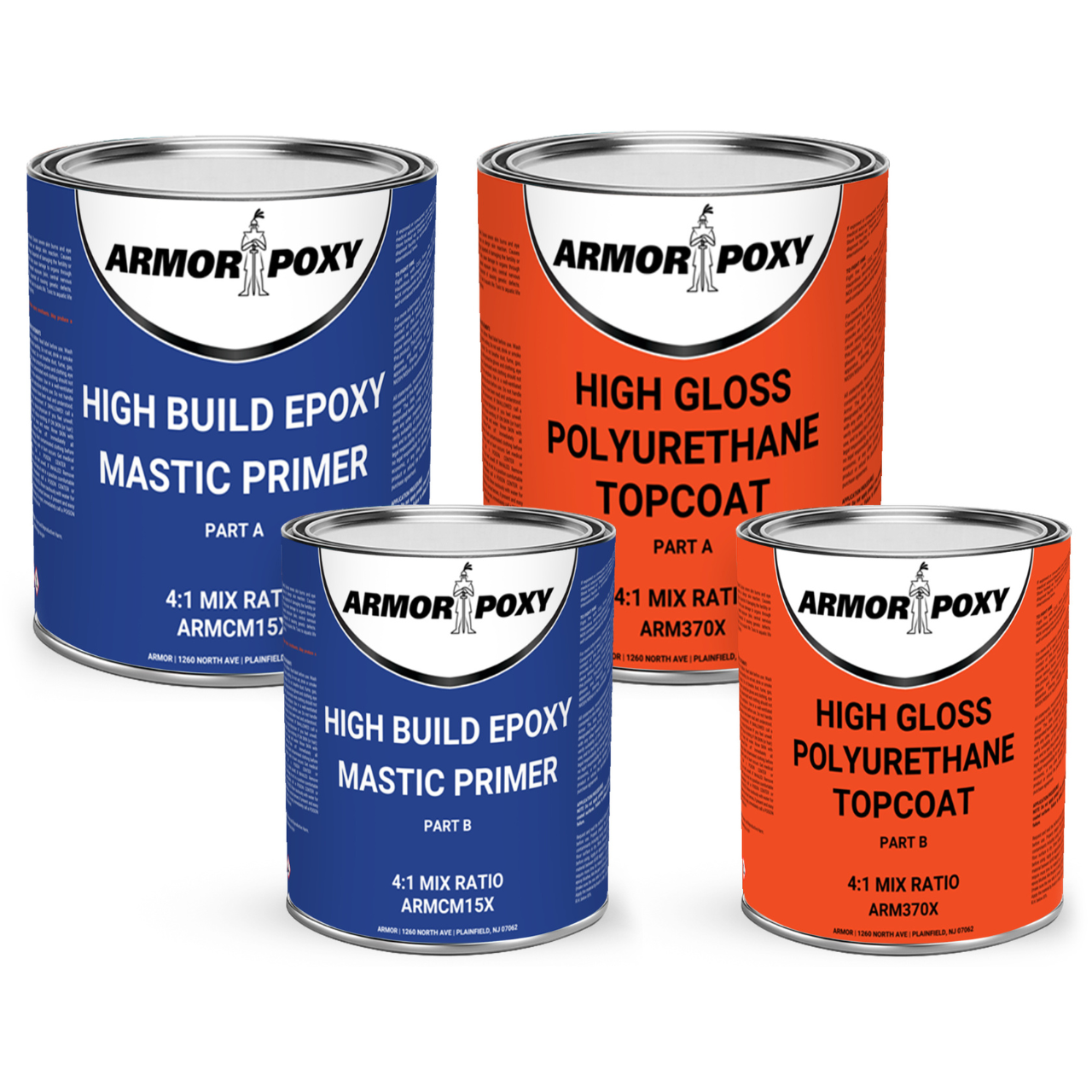
Security bars in salty air or high humidity need extra defense against corrosion and UV damage.
Build an Epoxy or Polyurethane System
In coastal zones, skip standard paints entirely. Use either:
- Epoxy primer + epoxy topcoat, or
- Epoxy primer + polyurethane finish
This two-part system creates a waterproof, UV-resistant shell that outlasts regular paint by years. Locals in beach towns consistently warn that skipping this step leads to peeling within months.
Prevent Scratches and Touch-Off Damage
Frequent contact wears down paint faster than weather.
- Choose hammered or textured finishes to hide minor scuffs
- Powder coating is the most durable option for high-touch gates and handles
Combat Sun and Heat Damage
UV rays break down paint binders, causing fading and chalking over time.
- Use polyurethane or UV-resistant acrylic enamel to slow degradation
- Lighter shades absorb less heat and reduce thermal stress on the coating
Decide Between Removing Bars or Painting In Place
Your approach depends on access, tools, and the finish quality you’re after.
Remove Bars for the Best Finish
Taking the bars down lets you:
- Paint all sides evenly
- Avoid overspray on windows, walls, and frames
- Work at a comfortable height
- Achieve a uniform, professional look
Lay them flat on drop cloths and paint them like furniture.
Paint In Place with Careful Masking
If removal isn’t an option:
- Cover windows, walls, and frames with cardboard or black plastic
- Use low-tack painter’s tape along glass edges
- Spray one section at a time, placing a cardboard shield behind it
- Switch to angled sprayers or small brushes for tight spots
Warning: Overspray is inevitable when painting in place. Minimize it with light coats and proper shielding.
Stay Safe and Maintain Your Finish Long-Term
Safety and routine upkeep protect both your health and the lifespan of your paint job.
Wear the Right Protective Gear
Always use:
- Rubber gloves when handling rust removers or paint
- Respirator or mask when spraying to avoid inhaling fumes
- Safety goggles to shield eyes from splashes and debris
- Long sleeves to prevent skin contact
Work in a well-ventilated area. Never spray indoors or in enclosed spaces.
Inspect and Touch Up Every 6 Months
Even the best paint job needs occasional maintenance.
- Check for rust spots, chips, or bubbling twice a year
- Sand any rust, apply rust-inhibiting primer, and touch up with topcoat
- Use spray touch-up pens for quick fixes on small areas
Catching problems early prevents the need for a full repaint later.
Set Realistic Durability Expectations
With proper prep and quality products:
- Standard paint jobs last 3–5 years
- Epoxy or polyurethane systems last 7–10 years
- Powder coating lasts 15+ years
In coastal zones, the gap between a rushed job and a proper one can mean months versus years of service.
Quick Reference: Best Products by Situation
| Situation | Best Approach | Recommended Products |
|---|---|---|
| Heavy rust | Chemical + mechanical removal | Rust-Oleum Rust Stripper, wire brush |
| Coastal or salt air | Epoxy primer + epoxy or polyurethane topcoat | Epoxy metal system, galvanized paint |
| DIY-friendly project | Spray paint with light coats | Rust-Oleum Universal, Tremclad |
| Intricate designs | Brush or angled spray | Quality metal brush, all-angle spray |
| Maximum durability | Professional powder coating | Off-site powder coat service |
| Budget option | Acrylic enamel or discount spray | Metal-grade spray from discount retailers |
Frequently Asked Questions About Painting Security Bars
How often should security bars be repainted?
Standard paint jobs last 3–5 years, while epoxy or polyurethane systems can last 7–10 years. Powder coating may last 15+ years. Inspect your bars every 6 months and touch up any rust spots immediately to extend the life of the finish.
Can you paint over rust on security bars?
You can paint over light surface rust after wire brushing and sanding, but heavy or pitted rust requires chemical treatment with a product like Rust-Oleum Rust Stripper. Always apply a rust-inhibiting primer before the topcoat, and paint within 24 hours of chemical treatment.
What is the best paint for security bars in coastal areas?
Epoxy primer paired with an epoxy or polyurethane topcoat is the best system for coastal environments. This combination resists salt corrosion and moisture penetration far better than standard paints, which can peel within months in salty air.
Do you need to remove security bars before painting?
Removing the bars is highly recommended for the most even, professional finish. It allows full access to all sides and prevents overspray on windows and walls. If removal isn’t possible, mask surrounding areas carefully and use a cardboard shield to control overspray.
What safety gear is needed when painting security bars?
Wear rubber gloves when handling rust strippers or paint, a respirator or mask when spraying, safety goggles to protect your eyes, and long sleeves to prevent skin contact. Always work in a well-ventilated area, especially when using spray paints or chemical treatments.
Key Takeaways for a Durable Security Bar Paint Job
Learning how to paint security bars comes down to three non-negotiable rules. First, prep is everything. No paint, no matter how expensive, will bond to a dirty, rusty surface, so strip loose material, treat corrosion, and clean thoroughly before opening a single can. Second, choose products matched to your environment. Standard enamel works fine in mild climates, but coastal or humid zones demand epoxy primers and polyurethane topcoats to survive salt air and moisture. Third, apply multiple thin coats rather than one thick pass. Light coats dry evenly, resist drips, and build a stronger protective shell over time.
Your next step is simple: inspect your bars today, note any rust or chipping, and gather your supplies. A weekend of focused work now will save you the cost and hassle of replacing corroded bars within the next few years.