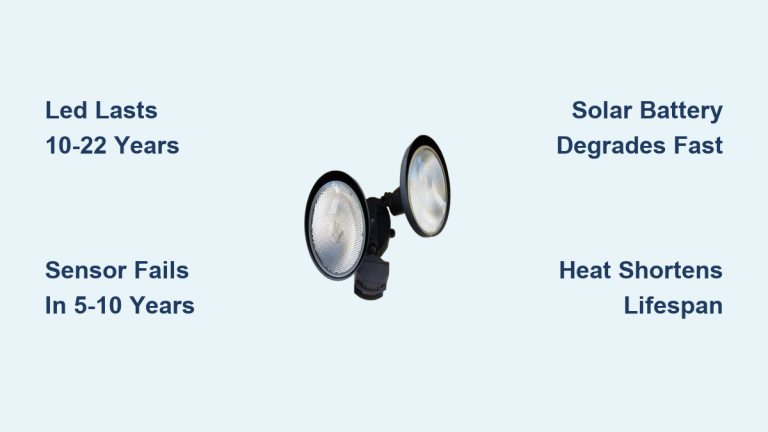

You’ve seen them towering over sports fields, mounted on buildings, or lighting up your backyard at night. Bright, powerful fixtures that bathe entire areas in light. But have you ever wondered why are they called flood lights? The answer isn’t about water or storms, but a vivid metaphor rooted in how these lights work. They flood a space with illumination, just like water spreads across land during a deluge.
The term “flood light” captures the core purpose of this lighting technology: overwhelming coverage. Unlike spotlights that focus on a narrow target, flood lights are designed to saturate wide areas with bright, even light. This article explores the origin of the name, how it reflects real-world function, and the technical and historical developments that made flood lighting essential across sports, security, architecture, and industry.
The Metaphor Behind the Name
Light That Spreads Like Water
The word “flood” evokes water rushing over dry ground, covering everything in its path. A flood light does exactly that, but with photons instead of rain. It emits a broad, intense beam that spills across surfaces, eliminating shadows and dark corners. This isn’t subtle lighting. It’s dominant, expansive, and all-encompassing, just like a real flood.
This metaphor emerged in the early 20th century when high-intensity electric lights first made it possible to illuminate large outdoor spaces. Engineers and marketers needed a way to describe this new capability: not just shining light on something, but filling the air with brightness. “Flood light” was the perfect fit, immediate, visual, and descriptive.
Why Not “Wide Light” or “Area Light”?
Other terms could have worked, like “broad light” or “area light,” but none carry the same emotional and visual impact. “Flood” implies power, speed, and totality. It suggests that darkness doesn’t stand a chance. That’s why the name stuck: it communicates function through imagery, making it instantly understandable.
Today, even as LED technology reshapes lighting, the term remains unchanged. We still say “flood light” because the effect hasn’t changed. Only the efficiency and control have improved.
Historical Evolution of Flood Lighting
Early Beginnings: Fire and Gas
Long before electricity, humans used fire to extend daylight. Torches, oil lamps, and braziers were the first tools to brighten open spaces, from Greek amphitheaters to Roman forums. While not called flood lights, these sources shared the same goal: banishing darkness from large areas.
The real shift came with gas lighting in the 19th century. Cities installed gas lamps along streets, creating a continuous glow that transformed urban life. But gas lacked the intensity needed for true area flooding, especially in wide-open sports fields or industrial yards.
Electric Arc Lamps: The First True Flood Lights
In 1809, Humphry Davy demonstrated the carbon arc lamp, producing light by creating an electric spark between two carbon rods. It was blindingly bright, so much so that it could illuminate entire courtyards and arenas.
By the 1870s, arc lamps powered the first sports events under artificial light:
– Polo was the first sport lit with flood lights on July 18, 1878, at the Ranelagh Club in London.
– Football (soccer) followed soon after, with experimental matches at Bramall Lane (1878) using battery and dynamo power, and Nottingham Forest (1889) using 14 paraffin-powered Wells Lights.
These early systems were revolutionary: for the first time, night was no longer a barrier to activity.
The Term Enters Common Use (1920s–1930s)
As electric infrastructure spread, so did high-intensity outdoor lighting. By the 1920s and 1930s, the term “flood light” appeared regularly in newspapers, engineering journals, and advertising. It described not just brightness, but the pattern of light distribution, a wide wash that covered grandstands, playing fields, and factory yards. The name reflected both form and function, distinguishing these fixtures from focused spotlights used in theaters.
How Flood Lights Work: Beam Spread and Coverage

Wide Beam Angles Define the “Flood”
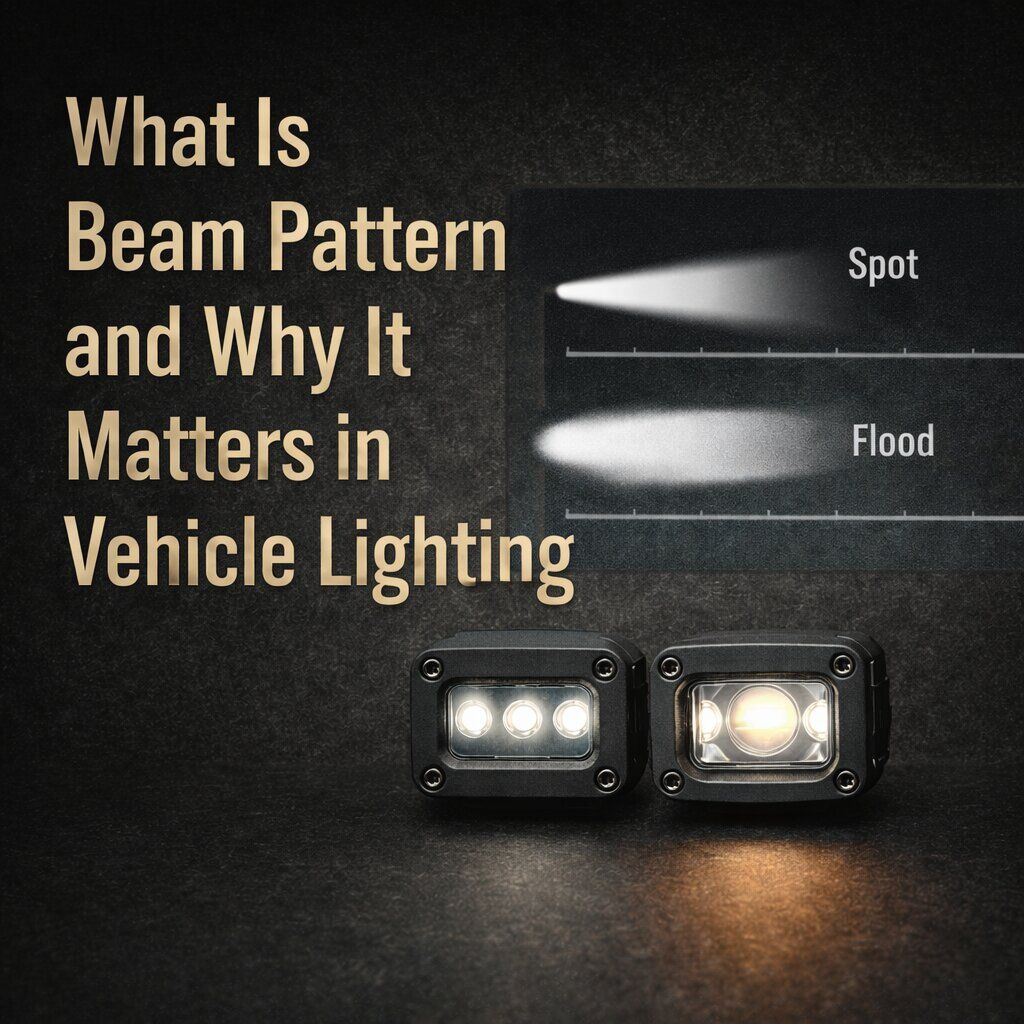
The key technical feature of a flood light is its beam angle, the width of the light cone it emits. Most flood lights have beam angles between 45° and 120°, ensuring broad, even coverage.
For comparison:
– Spotlight: < 45° beam, focused on one object.
– Flood light: 45°–120° beam, wide wash that fills an area.
– Searchlight: < 10° beam, narrow and built for long-distance projection.
This wide spread is what creates the “flooding” effect. Instead of highlighting a single point, the light flows outward, minimizing shadows and maximizing visibility.
NEMA Classification: Measuring the Flood
In the U.S., the National Electrical Manufacturers Association (NEMA) classifies flood lights based on their field angle, the width where light intensity drops to 10% of maximum.
| NEMA Type | Field Angle | Use Case |
|---|---|---|
| Type 3 | 29°–46° | Street lighting, medium spread |
| Type 4 | 46°–70° | Wall washing, building facades |
| Type 5 | 70°–100° | Parking lots, wide areas |
| Type 6 | 100°–130° | Large open spaces |
| Type 7 | >130° | Maximum coverage, circular spread |
A Type 5 or 6 light is typical for stadium or security use, delivering the kind of full-area illumination that justifies the “flood” name.
Key Applications: Where Flood Lights Dominate
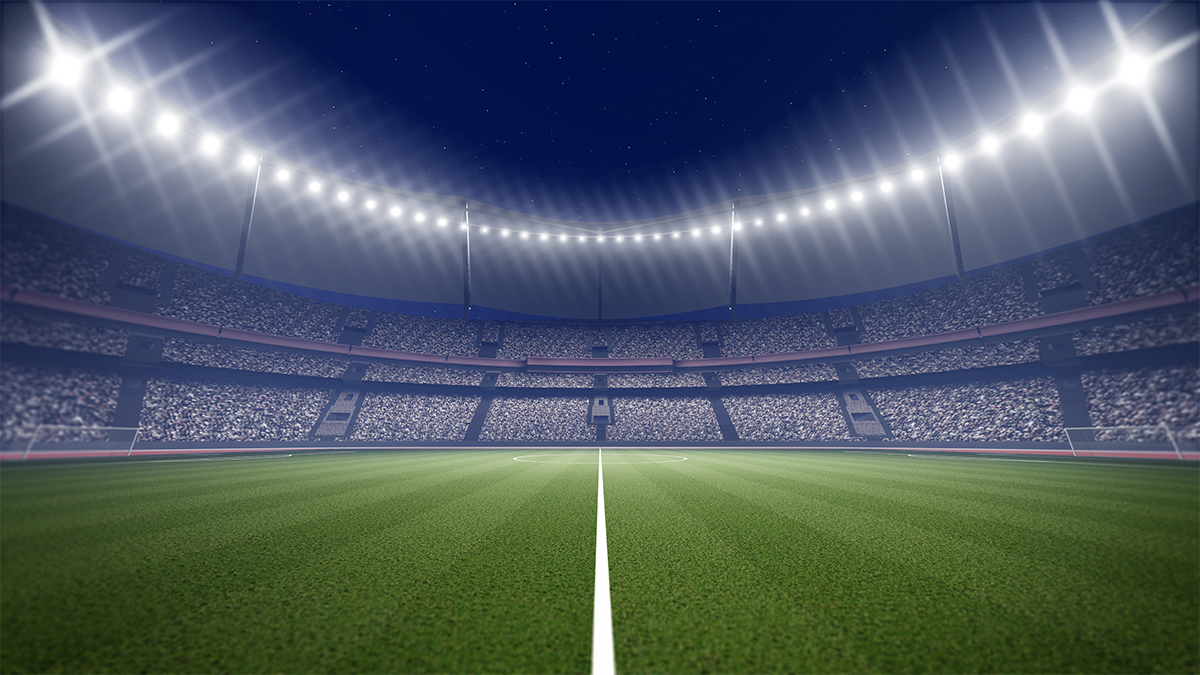
Sports Arenas: Lighting Up the Game
Flood lights revolutionized sports by enabling night games, which boosted attendance, TV broadcasts, and player flexibility.
- Cricket: First floodlit match in 1952; day/night internationals began in 1979.
- Football (Soccer): First permanent installation at South Liverpool’s Holly Park in September 1949.
- Rugby League: First floodlit game on December 14, 1932 (Wigan vs. Leeds).
- Motorsports: Night races rely on massive flood light arrays.
Modern stadiums use LED flood lights mounted on rooflines or pylons, providing instant-on lighting and precise control over brightness and color.
Security and Surveillance
Flood lights are a cornerstone of property protection. By eliminating dark zones, they:
– Deter intruders and vandals.
– Activate motion-sensor alarms.
– Provide clear visibility for CCTV cameras.
Motion-activated flood lights are especially effective. A sudden burst of light startles potential threats and alerts homeowners, making them a key part of residential and commercial security systems.
Architectural and Landscape Lighting
Flood lights aren’t just functional; they’re artistic. Architects use them to:
– Highlight building facades and monuments.
– Accentuate trees, fountains, and gardens.
– Create dramatic nighttime aesthetics.
Using warm white (2700K–3000K) or cool daylight (5000K–6500K) options, designers can shape mood and perception, turning ordinary structures into nighttime landmarks.
Industrial and Construction Sites
On job sites, safety depends on visibility. Flood lights ensure:
– Workers can see tools, materials, and hazards.
– Night shifts proceed without accidents.
– Large warehouses and loading docks remain fully illuminated.
Portable flood lights are common on construction zones, offering temporary but powerful lighting where permanent fixtures don’t yet exist.
Technology Evolution: From Halogen to LED
Halogen: Bright But Inefficient
Halogen flood lights were popular for decades. They offered:
– Bright, warm white light (close to sunlight).
– Good color rendering (CRI > 90).
– Low upfront cost.
But drawbacks included high energy use, short lifespan (2,000–4,000 hours), and excessive heat output. They’ve largely been replaced by more efficient options.
HID and Metal-Halide: The Sports Lighting Standard
Before LEDs, metal-halide lamps were the go-to for stadiums and arenas. They delivered high lumen output and good color quality, but required 5–10 minutes to warm up after power loss and contained hazardous materials. These flaws made them impractical for modern demands.
LED: The Modern Flood Light Standard
Today, LED flood lights dominate the market. They offer:
– Instant start-up with no warm-up time.
– Energy efficiency, up to 80% less power than halogen.
– Long lifespan of 25,000 to 50,000 hours.
– Low heat output for safer, more durable operation.
– Directional lighting with less wasted light.
The first LED-lit sports field in the UK opened on September 6, 2014, at Taunton Vale Sports Club, marking a turning point in lighting history.
Solar and Motion-Activated Variants
New flood light types enhance convenience and sustainability:
– Solar-powered flood lights: Use photovoltaic panels to charge batteries during the day. Ideal for remote or off-grid locations.
– Motion-activated flood lights: Turn on only when movement is detected, saving energy and improving security.
Both rely on LED technology for optimal performance.
How to Choose the Right Flood Light

Match Beam Angle to Your Needs
- 45°–60°: Best for wall washing or focused yard lighting.
- 90°–120°: Ideal for driveways, parking lots, and large backyards.
- Circular (Type 7): Maximum coverage for open fields.
Using too narrow a beam creates dark edges; too wide reduces intensity. Choose based on area size and desired brightness.
Consider Lumen Output and Color Temperature
| Use Case | Recommended Lumens | Color Temp |
|---|---|---|
| Residential | 700–1,300 | 2700K–4000K |
| Security | 1,500–3,000 | 4000K–5000K |
| Sports/Industrial | 10,000+ | 5000K–6500K |
Higher lumens mean brighter light. Cooler temperatures (5000K+) improve alertness and clarity, making them ideal for security.
Check IP Rating for Outdoor Durability
Outdoor flood lights must resist weather. Look for:
– IP65: Dust-tight, protected against water jets.
– IP66: Resists powerful water sprays.
– IP67: Can withstand temporary submersion.
Die-cast aluminum housings and tempered glass lenses add durability.
Flood Lights vs. Spotlights vs. Searchlights
| Feature | Flood Light | Spotlight | Searchlight |
|---|---|---|---|
| Beam Width | 45°–120° | < 45° | < 10° |
| Purpose | Cover large areas | Highlight objects | Long-distance signaling |
| Light Spread | Even, diffused | Concentrated cone | Narrow, parallel beam |
| Common Use | Stadiums, security | Art displays, stages | Aviation, marine |
Understanding these differences helps you pick the right tool. If you need general visibility, go with a flood light.
Maintenance and Longevity Tips
Why LED Flood Lights Last Longer
Traditional bulbs fail due to filament burnout, electrode degradation, and frequent on/off cycling. LEDs avoid these issues with solid-state design, no filaments or gases. With proper heat dissipation via aluminum housings, they can last over 20 years under normal use.
Prevent Moisture Damage
The leading cause of outdoor light failure is moisture ingress. To prevent it:
– Always choose IP65 or higher.
– Seal cable entries properly.
– Install lights with downward tilt to shed rain.
Clean Lenses Regularly
Dirt, dust, and bugs reduce light output. Clean lenses every few months with a soft cloth and mild soap. Avoid abrasive cleaners that can scratch tempered glass.
Frequently Asked Questions About Flood Lights
What does the term “flood light” actually mean?
The name comes from a metaphor comparing light to water. Just as a flood covers a wide area with water, a flood light covers a wide area with illumination. The term has nothing to do with weather or natural disasters.
What beam angle qualifies a light as a flood light?
Flood lights typically have beam angles between 45° and 120°. Anything narrower is generally considered a spotlight, while anything below 10° is classified as a searchlight under NEMA standards.
When was the term “flood light” first used?
The term gained widespread adoption during the 1920s and 1930s as electric infrastructure expanded and high-intensity outdoor lighting became common in sports venues, theaters, and industrial sites.
What was the first sport played under flood lights?
Polo was the first sport played under flood lights on July 18, 1878, at the Ranelagh Club in London, using carbon arc lamps.
How long do LED flood lights last?
LED flood lights typically last between 25,000 and 50,000 hours, depending on usage and environmental conditions. This is roughly 10 times longer than halogen or HID bulbs.
What IP rating should I look for in an outdoor flood light?
For outdoor use, choose a flood light with a minimum IP65 rating. IP66 or IP67 is recommended for areas exposed to heavy rain, sprinklers, or temporary submersion.
Key Takeaways on the Name and Function of Flood Lights
So, why are they called flood lights? Because they flood spaces with light, just as water floods a valley. The name, born in the early 1900s, endures because it perfectly describes what these lights do: overwhelm darkness with brightness.
From polo fields in 1878 to LED-lit stadiums today, the technology has evolved, but the core function remains unchanged. Whether for safety, sport, or design, flood lights continue to define how we see the night.
When choosing one, remember: it’s not just about brightness. It’s about coverage, control, and consistency. And now you know; the name says it all.